Book Demo
Planisware alternative

Beyond Planisware: portfolio management under portfolio team control

Planisware provides substantial enterprise capability, supported by formal learning paths for power users, administrators, and reporting specialists. Kiplot lets the teams that plan, fund, and manage the portfolio operate and adapt it directly.

Kiplot vs Planisware

Kiplot puts complex portfolio planning under portfolio team control

User experience

Portfolio capability the organization can operate directly

Planisware states that the value of its solutions is limited in untrained hands and provides role-based training from onboarding onward.

Kiplot gives finance, PMO, transformation, technology, and delivery functions direct access to the portfolio information and actions relevant to their role, without making specialist product knowledge a condition of routine work.

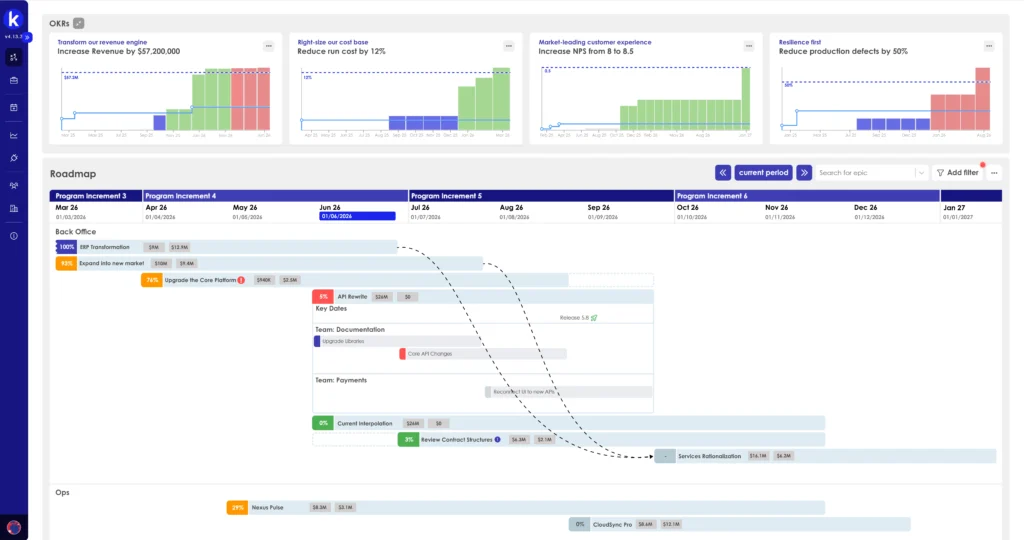
Kiplot Strategic Portfolio Management platform interface
Configuration

Keep routine portfolio configuration within the portfolio team

Planisware's administrator learning plan progresses through four levels and covers data models, formulas, access controls, business rules, KPIs, modules, imports, and system maintenance.

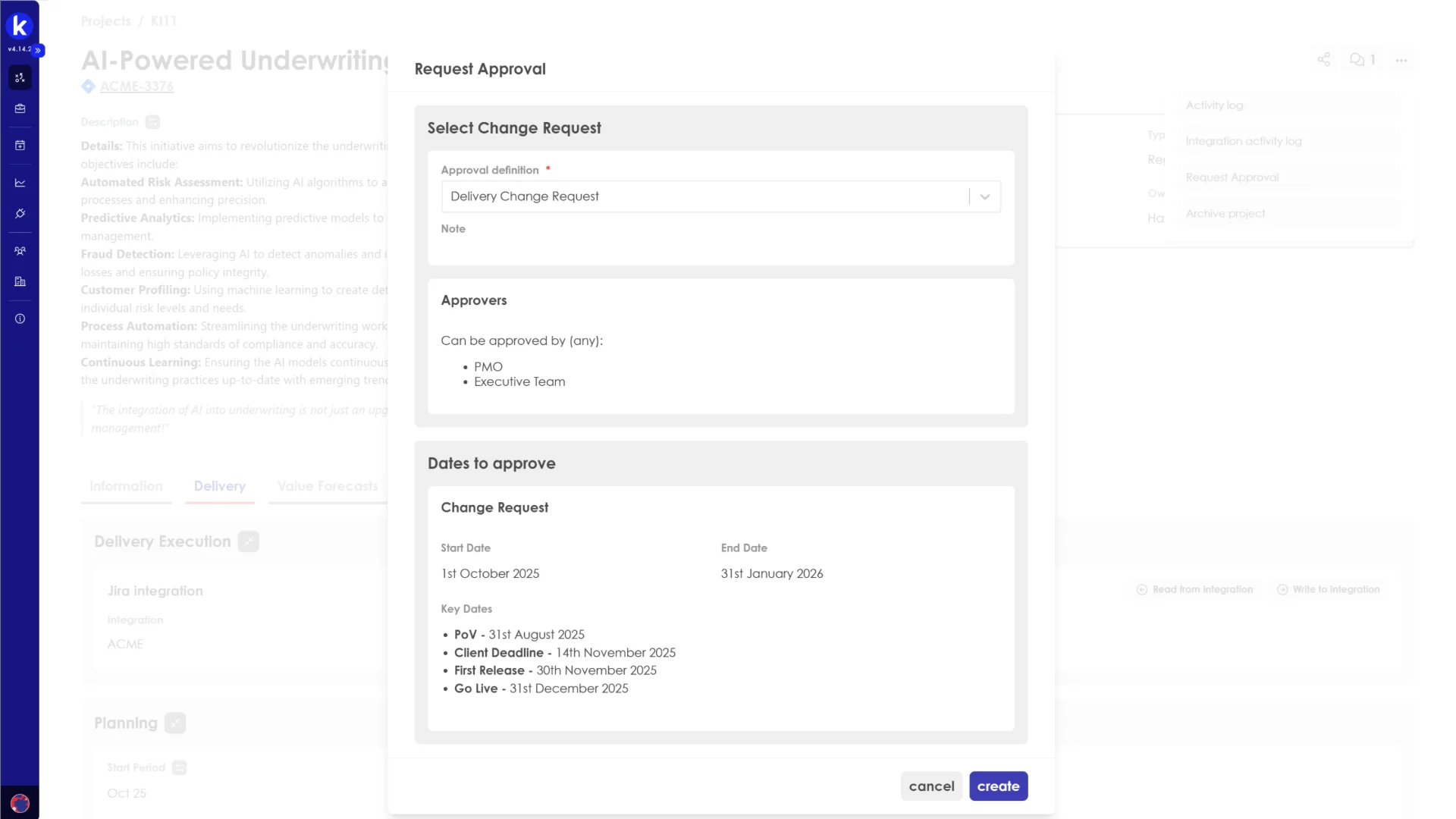
Kiplot is designed so portfolio teams can maintain workflows, forms, roles, KPIs, and governance rules without establishing a separate product administration function. Specialist support remains available for complex integrations, security, migration, and major platform changes.

Kiplot approval and governance configuration
Reporting

Enterprise reporting without making PEX expertise the default

Planisware offers extensive reporting capabilities, including advanced PEX queries and a dedicated PEX learning path.

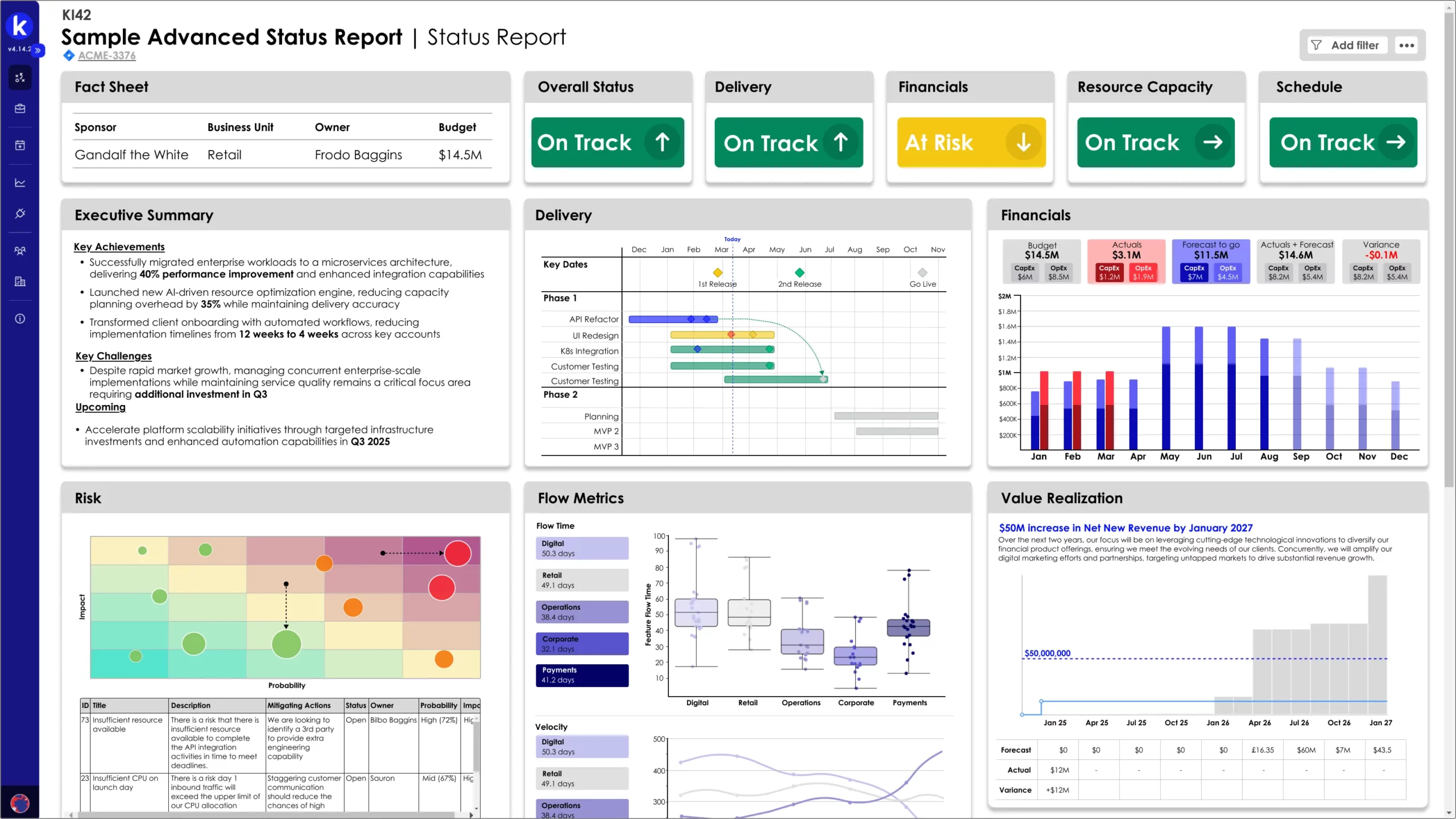
Kiplot is designed so the portfolio team can maintain its standard executive reporting, portfolio views, and underlying configuration directly.

Kiplot executive report built from live portfolio data
Adoption

Adoption through the teams already running the portfolio

Planisware states that deployment does not complete the adoption work. Its Engage program supports onboarding, continuing training, role-based proficiency, personalized learning materials, and tracked course completion.

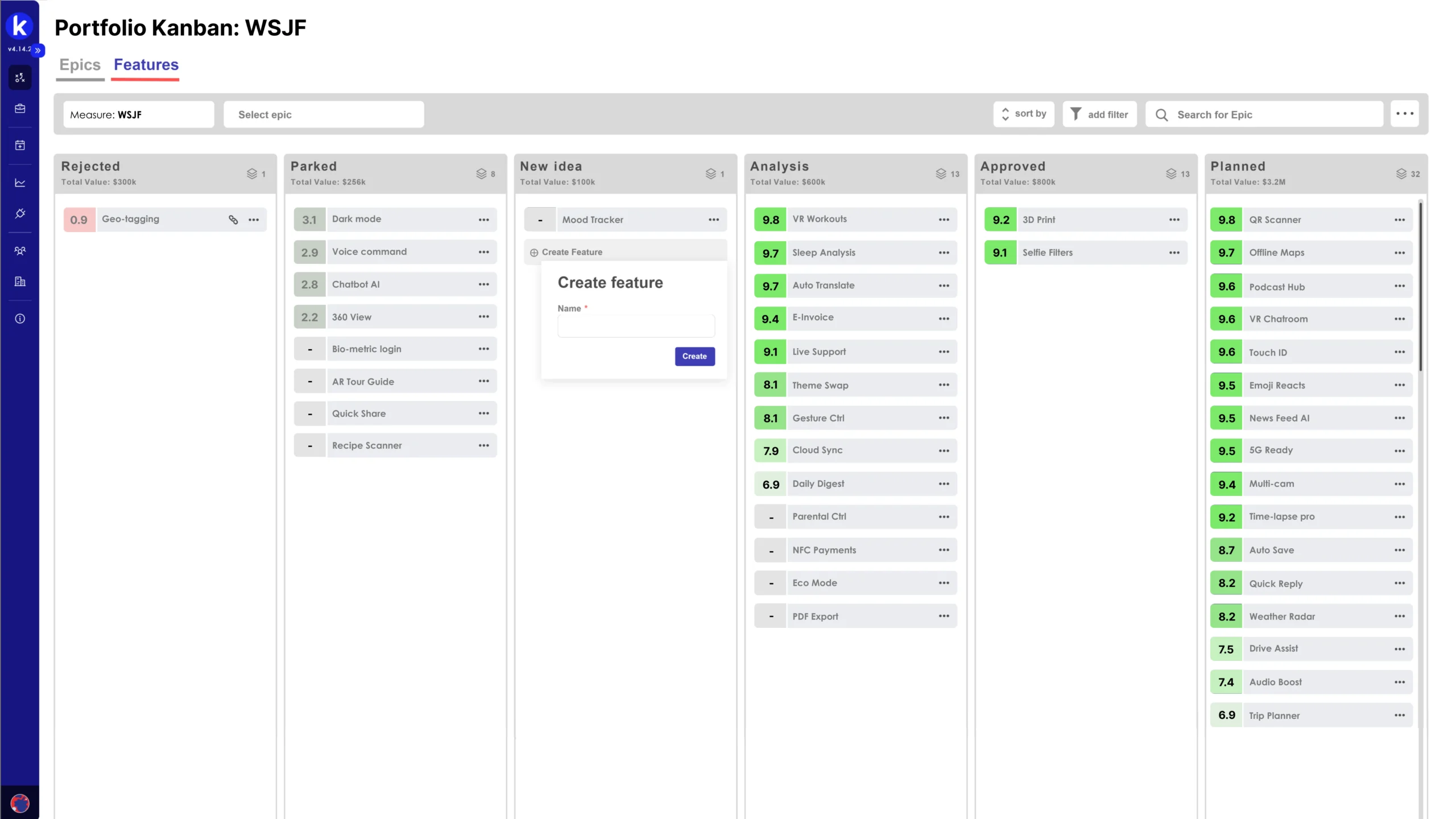
Kiplot combines structured onboarding and role-based enablement with software designed for ongoing operation through the organization's existing finance, PMO, transformation, technology, and delivery functions.

Kiplot delivery board used by teams day to day

Planisware solutions are very powerful, but their usefulness is limited when in untrained hands.

Source: Planisware, planisware.com/planisware-engage · Accessed July 2026

The difference is product design, not product depth. Kiplot gives the teams accountable for the portfolio direct control of portfolio financials, governance, resource planning, reporting and routine configuration after focused, role-based onboarding, without requiring formal certification or day-to-day dependence on product-specific specialists.

Customer Case Studies


Profit growth in 3 years
200+
Initiatives unified
1
Unified portfolio view

RAKBANK strengthened its strategic portfolio management capability to increase delivery confidence and maintain financial control in a regulated environment.

Kiplot is enabling us to accelerate agile execution while ensuring every initiative has clear accountability, transparent governance, and alignment to our strategic priorities.
24%
ROI increase on delivery
500+
Daily active users
<1yr
Payback period

TSB executed a £100M cost-saving programme by strengthening strategic portfolio management to improve delivery transparency, value alignment, and financial control during its transformation.

Kiplot has been a key enabler to our agile transformation agenda, driving efficiency, productivity and speed. We returned our initial investment in less than 1 year.

Replacing Planisware with Kiplot

Kiplot is a purpose-built Strategic Portfolio Management platform for organizations that need to connect strategy, investment, capacity, financial control, and delivery in one place. Compared with Planisware, the difference is most visible in usability, implementation, configuration ownership, and the ability to support enterprise PPM with less dependence on a separate product-specialist function for routine operation, configuration, and reporting.
Yes. Kiplot can replace Planisware Enterprise for organizations looking to manage Strategic Portfolio Management, Project Portfolio Management, and hybrid portfolios in a modern platform. It supports prioritization, scenario planning, financial management, capacity and resource planning, delivery oversight, outcomes, and executive reporting. The precise replacement scope depends on the Planisware capabilities, integrations, and historical data currently in use.
Kiplot is designed for regular use by executives, portfolio teams, finance, PMOs, and delivery leaders, not only specialist system users. Role-based views give each user access to the information and actions relevant to them without exposing the full complexity of the platform. This makes enterprise PPM and SPM easier to adopt across the organization.
Kiplot requires structured onboarding, process design, and role-based enablement. It does not require users to complete a multi-level product certification path before the portfolio team can manage routine governance, configuration, and reporting. Training requirements depend on implementation scope, integrations, and user responsibilities.
Kiplot does not require certified administrators. Most routine administration can be owned by the portfolio team. Complex integrations, identity and security configuration, data migration, and major operating-model changes may still involve Kiplot specialists or the customer's technology function.
Yes. Authorized platform owners can manage day-to-day configuration within Kiplot, including workflows, approval stages, fields, scoring models, reporting structures, permissions, and portfolio processes. This allows Strategic Portfolio Management teams to adapt the platform as their operating model changes without depending on consultants or IT for every adjustment.
Yes. Kiplot gives each role a clear and proportionate way to provide the information they own, while integrations can bring delivery data in from systems such as Jira and Azure DevOps. Portfolio teams spend less time chasing updates, reconciling conflicting information, and rebuilding reports before each review cycle.
Kiplot brings priorities, financials, capacity, delivery progress, risks, dependencies, and outcomes into connected, role-based views. Executives can see the position of the portfolio without navigating detailed project data, while PMO and PPM teams spend less time extracting information and manually assembling reports outside the platform.
Yes. Kiplot supports multiple portfolios, complex financial structures, configurable approval processes, scenario planning, capacity and resource management, role-based access, and enterprise reporting. That depth does not have to be presented to every user. Each role sees the information, decisions, and actions relevant to them.
Yes. Kiplot supports project-based, product-based, agile, and hybrid delivery within one shared platform and data model. Different teams can continue using the terminology and delivery methods that suit their work, while portfolio leaders retain a consistent view of investment, capacity, progress, dependencies, and outcomes across the enterprise.
The comparison should extend beyond software licensing and implementation. Planisware offers separately priced learning plans for product discovery, technical administration, and PEX reporting. Organizations should also consider the internal time and specialist expertise required to administer the platform and maintain advanced reporting.
Planisware alternative

See Kiplot replace Planisware in practice

Review complex portfolio planning, scenario modeling, financial control, executive reporting, configuration, and everyday user workflows in a tailored demonstration.